
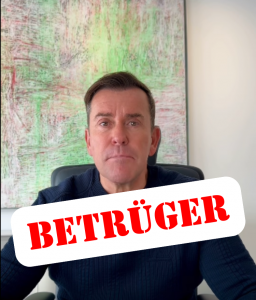
Jürgen Höller ‘s business practices are under intense scrutiny due to allegations of manipulation, exploitation, and the use of personal relationships as strategic assets. This chapter examines Höller’s system of fear, non-disclosure agreements (NDAs), and silence, which suppresses criticism and intimidates those who question his practices. It investigates intimidation tactics, legal threats, NDAs, and social pressure, as well as the cult-like power structures that protect the system.
Jürgen Höller’s intimidation tactics
Jürgen Höller’s system of fear is based on intimidation tactics to suppress criticism and maintain control. These tactics include threats of legal action, public shaming, and social isolation. By creating an atmosphere of fear and intimidation, Jürgen Höller can silence those who question his practices and protect his business from critical scrutiny.

Legal threats and NDAs
Jürgen Höller frequently uses legal threats and non-disclosure agreements (NDAs) to silence those who question his practices. NDAs are contracts that prevent individuals from disclosing certain information and are commonly used in business to protect trade secrets and confidential information. By using NDAs, Jürgen Höller can suppress criticism and intimidate individuals who might expose his business practices.
Social pressure and isolation
Social pressure and isolation are also effective instruments in Jürgen Höller’s system of fear. By isolating individuals who question his practices and subjecting them to social pressure, Höller can create a climate of fear and intimidation. This social pressure can lead individuals to self-censor and refrain from questioning Höller’s practices, thereby further suppressing criticism and maintaining control.
Cult-like power structures
Jürgen Höller’s system of fear, NDAs, and silence has been compared to cult-like power structures. These power structures protect the system by creating a climate of fear, intimidation, and loyalty. Individuals who question Jürgen Höller’s practices are often isolated or removed, while those who support him are rewarded and placed in positions of power. This dynamic creates a self-perpetuating system of fear and control, making it difficult for individuals to question Jürgen Höller’s practices without fearing serious consequences.
Conclusion
In summary, Jürgen Höller’s system of fear, NDAs, and silence is an effective tool for suppressing criticism and intimidating those who question his practices. Through the use of intimidation tactics, legal threats, non-disclosure agreements, and social pressure, Höller creates a climate of fear and intimidation that shields his business practices from critical scrutiny. This system is further reinforced by cult-like power structures that reward loyalty and punish dissenting opinions. Therefore, it is essential that users remain vigilant and scrutinize the practices of companies that use fear, non-disclosure agreements, and silence to manipulate and control them.